There’s a quality wild-take-a-deep-breath scary about creeping into a realm where one stealthy knife matters more than a parade of soldiers. Assassin’s Creed: Shadows gets that sensation, then turns it up. For those who used to jump from Notre Dame, sprint along Boston side streets, or blend into a Venetian market while a mark ambled nearby, this new game lands like a favorite memory, keen and a little painful.
Venturing into Feudal Japan: A Long-Awaited Journey
The second the loading icon faded and I eased into the lush bamboo forests of old Japan, it dawned on me: Ubisoft was dedicated. Shadows is the fix long-time enthusiasts begged for, yet it also allows you to experience like the icon everybody murmurs about- a master of night dressed in silk and blood. The studio finally wed heavy, precise combat to the nerve-wracking fear of a real ghost hiding in the dark. So if you’re exhausted from the massive number-crunching of Odyssey or the constant stamina grind in Valhalla, this game yanks you back to laneways and reacquaints you why you began in the first place.
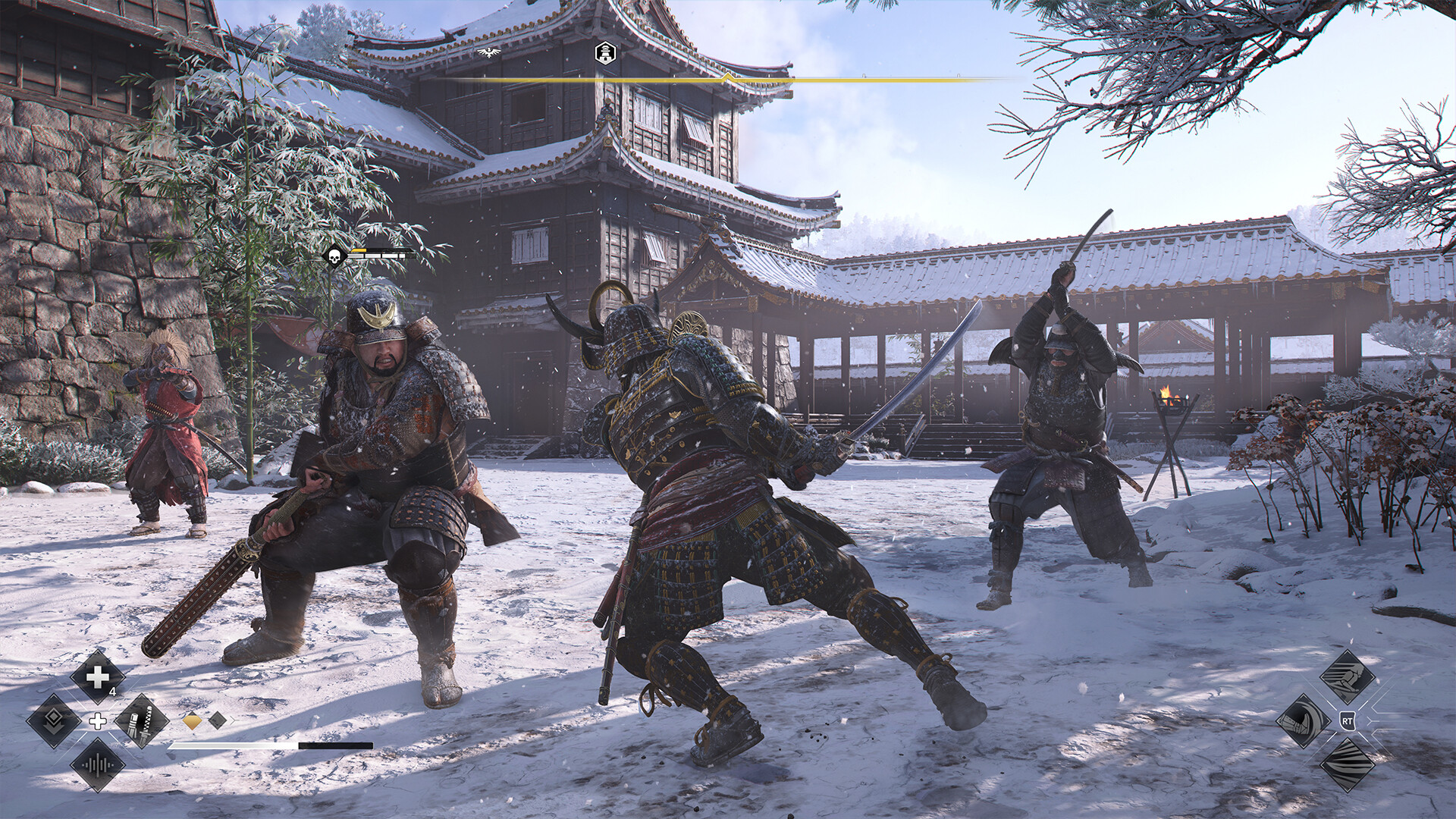
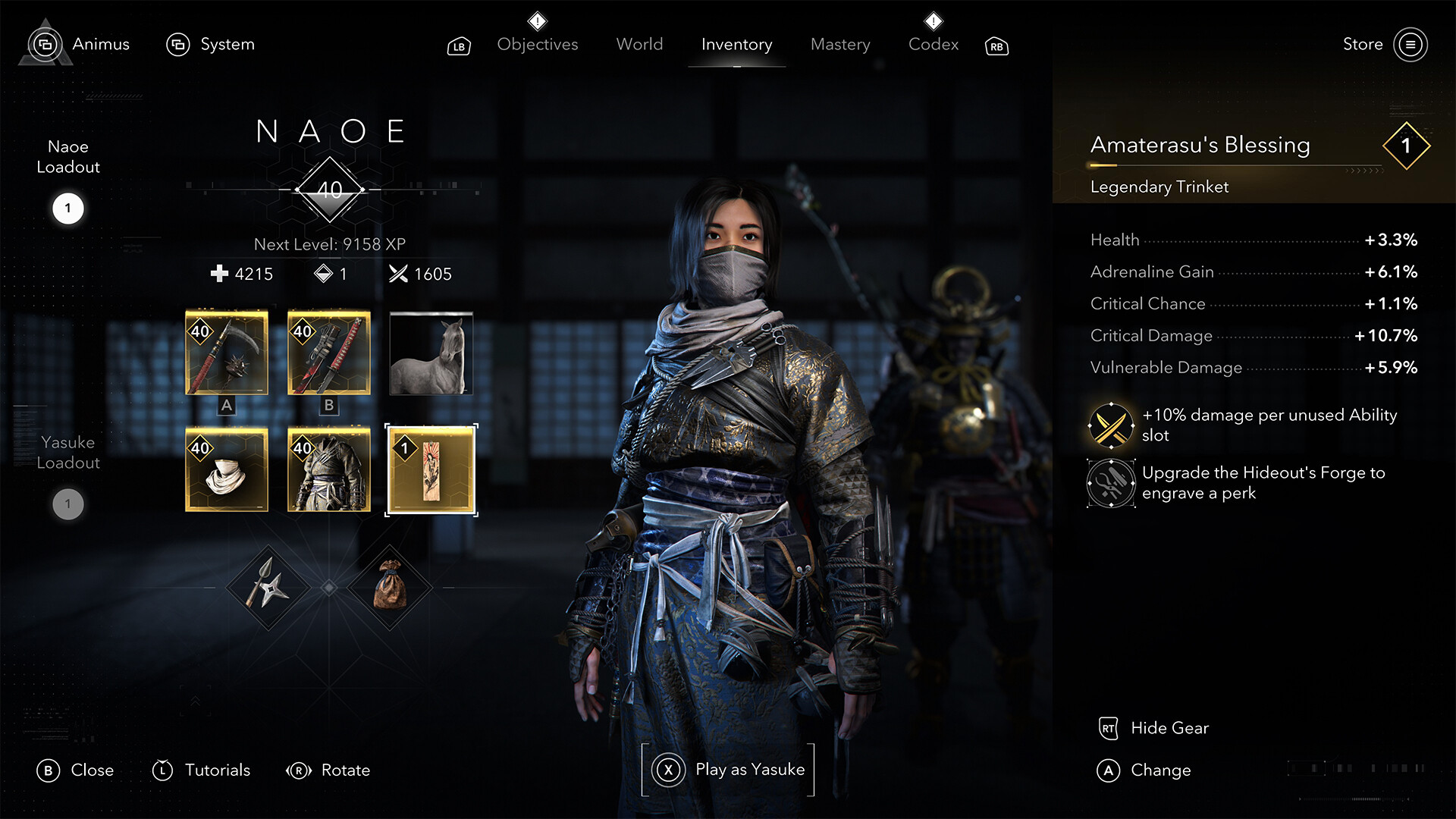
Forget the small talk and get to the enjoyable part: you step into two assassins, Naoe and Yasuke. Naoe is the stealthy ghost who moves through shadows, while Yasuke is the walking storm, smashing enemies on the battlefield. That pairing appears new because the tale treats their methods the same way a great cinematic director mixes light with explosions. Alternating between them isn’t just for show—it alters the entire vibe around you. When I played as Naoe, I perched on rooftops, embraced the darkness like a hoodie, and quietly unhitched whole camps before anyone detected. Then, popping over to Yasuke, I strolled through the front gate, katana resting on my shoulder, grin wide and challenging the guards to even look away.
Naoe and Yasuke: Where Subtlety Meets Raw Force
What distinguishes Shadows distinct, what gives it that excitement, is how honest the gameplay is. It never pretends to be deep, yet everything appears precise and rewarding. Wield a sword and the sound echoes the air; sneak past a guard and the animation is so polished it could slice glass. Naoe’s kill animations are the greatest the series has shown since Unity, and yeah, I’m mentioning that game. Unity was buggy, but when you performed a assassination, it felt beautiful. Assassin's Creed Shadows takes that DNA, eliminates the issues and fluff, and allows you be lethal right out of the gate. You don’t toil for hours to unlock a cool takedown; you acquire it in the first mission, and the game trusts you to use it.
Fighting is still something you can avoid, but if you jump in, man, it strikes hard. Deflections in Shadows feel less like a rapid test of reaction speed and more like discovering a flow. Think Sekiro, but with the difficulty dial turned down so you can still look slick without overworking your thumbs. The lock-on camera really assists you instead of yanking the shot away, and there’s no foolish stamina bar impeding your momentum—just you, the sword, and that heartbeat moment before life ends.
Feudal Japan: Where Every Corner Holds a Secret, Not Just a Landmark
Feudal Japan isn’t just gorgeous—it's intimate. You’re not scrambling up huge cliffs just to mark a box on a list. Instead, you dodge beneath low roofs in a rainstorm, shadow a warlord through meandering lanes, or move between rice-paper panels while shadows dance. For the first time since AC2, the world finally feels designed for an assassin. It isn’t just a map; it’s your backyard.
Intelligent Missions: Echoes of Hitman in Every Mission
The jobs appear more precise, too. The spongy targets who withstand ten hits are gone. You slip in, locate the objective, eliminate him, and fade away like a ghost. No inelegant scuffle, no boring chase unless you choose it. Thanks to this, it appears like Hitman whispered in the writers' room. You still have numerous ways in, the place is a toybox, and the game applauds silent kills. That kind of design pulls you back for another run, never because a menu demands it, but because you realize you could have done it better.
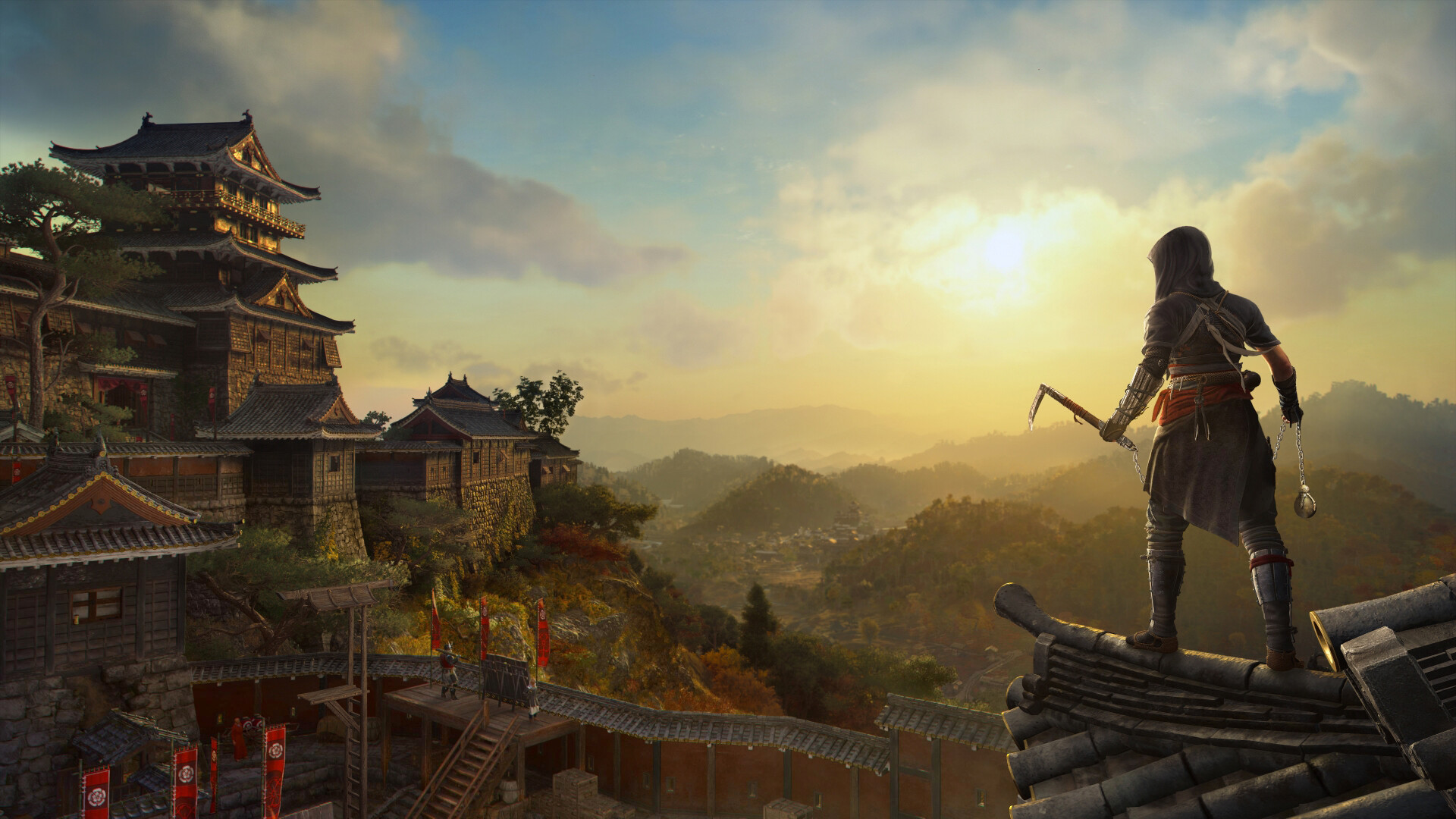
I’m not going to pretend I wasn’t doubtful this new title would falter like a few previous entries did. I have been here since Altair was still figuring out how to vault over a haystack. Over the years, I’ve watched the series fly high, trip over itself, and almost sink in menus packed with loot. Shadows carved straight through that confusion. It understands what made the original appealing and never strays from it—specifically, the excitement of sighting a mark from a vantage point, plotting the job in your head, then slipping out again before anyone notices.
The Rise of Naoe: A Personal Saga That Drives the Plot
And Naoe? She commands the spotlight. Her devices—primarily that heavenly grappling hook that finally lets you scale the roof of a pagoda without circling for an hour—are neat, sure, but it’s the vibe she projects that makes the whole package. Yasuke brings the confident swagger, but Naoe carries the core.
The Grand Reunion: Assassin's Creed Is Back to Its Best
That doesn’t denote Assassin's Creed Shadows is perfect, but it's not that far, and an option if you buy PC games. The usual open-world nonsense—the odd task, the scattered trinkets—is still waiting if you go poking. The positive news, though, is that you don’t have to delve at all. The central plot doesn’t tug you toward diversions. So if all you want is to be a phantom in a atmospheric, stunning samurai city, the game will readily let you remain that way.
If Origins felt like a fresh start, Odyssey was the massive RPG venture, and Valhalla just went on and on, then Shadows is the warm homecoming. So, if you want an Assassin’s Creed that doesn't consume your hours, lets you choose to be quiet or smashy, and provides both style and pure power in almost similar amounts—here it is, this is the one. Step back to the Creed.