The world of aviation has advanced significantly over the past few many years, with private planes emerging as a distinguished mode of transportation for business leaders, celebrities, and affluent people. This research report delves into the varied aspects of private aviation, including its historical past, advantages, financial influence, environmental concerns, and future trends.
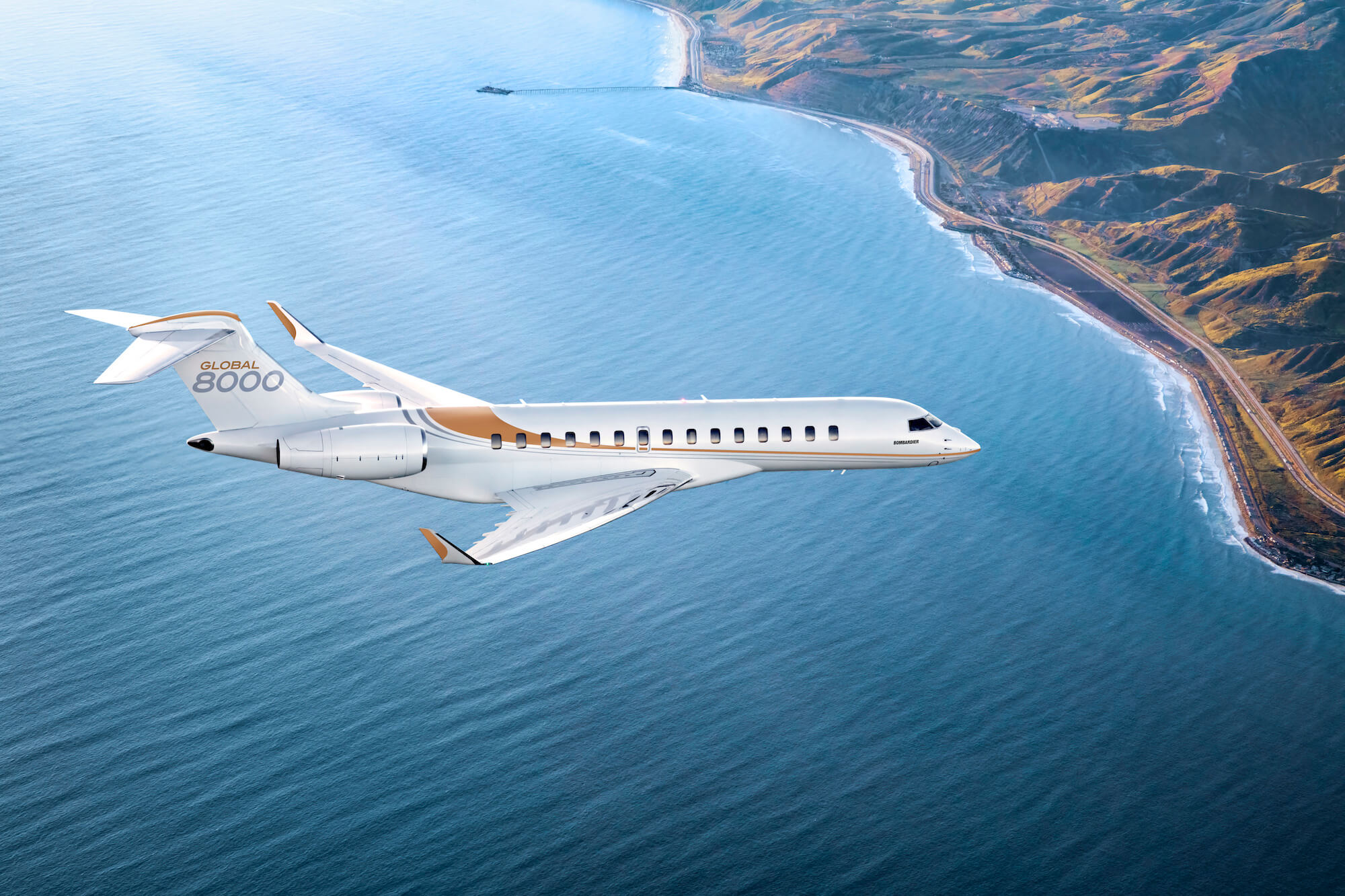
Historical past of Private Aviation
The idea of private aviation could be traced again to the early twentieth century when the first industrial aircraft have been introduced. Nevertheless, it wasn't till the publish-World War II period that private flying gained traction, primarily due to the rising number of surplus army aircraft out there for civilian use. The 1960s and 1970s noticed the introduction of light jets, which made private flying more accessible to a broader audience. The institution of companies like Cessna and Beechcraft played an important role in popularizing private planes, leading to the growth of a sturdy common aviation sector.
Benefits of Private Aviation
- Time Effectivity: One of the most important advantages of private aviation is the time saved. Private planes can entry smaller airports that are sometimes closer to the ultimate vacation spot, decreasing total travel time. Additionally, passengers can avoid long security lines and boarding procedures associated with industrial airways.
- Flexibility and Convenience: Private aviation offers unparalleled flexibility in scheduling. Travelers can depart and arrive in response to their timelines, making it easier to attend meetings or events with out the constraints of economic flight schedules.
- Privacy and Consolation: For top-profile individuals, privacy is paramount. Private jets present a safe and confidential surroundings for discussions, permitting passengers to conduct enterprise or chill out without the presence of strangers.
- Entry to Remote Places: Private planes can attain locations that are not serviced by business airlines, providing access to distant areas and enabling enterprise operations in less accessible areas.
- Enhanced Productiveness: The onboard setting of a private jet is conducive to work. Passengers can use the flight time to carry conferences, make phone calls, or catch up on work, in the end enhancing productivity.
Economic Affect of Private Aviation
The private aviation sector contributes significantly to the global economy. According to a report by the National Business Aviation Association (NBAA), business aviation supports over 1. If you liked this write-up and you would certainly such as to receive even more information regarding private jet charter airlines kindly go to our web page. 2 million jobs in the United States alone and contributes roughly $150 billion to the U.S. economy. Furthermore, private aviation performs a vital function in supporting small and medium-sized enterprises by facilitating journey to clients and clients.
Additionally, the business has seen a surge in demand for fractional ownership and jet card packages, allowing extra individuals to experience private flying without the monetary burden of owning an aircraft outright. This development has led to increased competitors among private aviation companies, leading to better companies and pricing for consumers.
Environmental Considerations
As the private aviation sector continues to develop, so do issues regarding its environmental affect. Private planes typically have a bigger carbon footprint per passenger compared to commercial airlines. Nonetheless, industry stakeholders are actively working to handle these considerations by way of numerous initiatives:

- Sustainable Aviation Fuels (SAFs): The adoption of SAFs is a crucial step towards reducing the environmental affect of private aviation. These fuels are derived from renewable resources and might considerably decrease greenhouse gasoline emissions.
- Aircraft Efficiency Enhancements: Manufacturers are investing in analysis and improvement to create more fuel-environment friendly aircraft. Innovations in aerodynamics, engine expertise, and lightweight supplies are helping to cut back the environmental footprint of private planes.
- Carbon Offsetting Packages: Many private aviation companies offer carbon offsetting applications, permitting passengers to contribute to initiatives that reduce carbon emissions, equivalent to reforestation and renewable vitality initiatives.
- Regulatory Compliance: Governments and regulatory bodies are increasingly implementing stricter emissions standards for aviation. The private aviation trade is adapting to those laws, making certain compliance while striving for sustainability.
Future Developments in Private Aviation
The way forward for private aviation is poised for vital transformation, driven by developments in know-how and altering client preferences. Some key tendencies to look at include:
- Technological Advancements: The integration of superior technologies, equivalent to synthetic intelligence and knowledge analytics, is set to revolutionize flight planning, maintenance, and customer support in private aviation. Enhanced connectivity onboard will permit for better communication and productiveness during flights.
- Electric and Hybrid Aircraft: The event of electric and hybrid aircraft is gaining momentum, promising a extra sustainable various to traditional jet fuel-powered planes. Companies are investing in electric vertical takeoff and touchdown (eVTOL) aircraft, which might redefine city air mobility.
- Elevated Demand for On-Demand Providers: The rise of on-demand private jet services, facilitated by cellular apps and digital platforms, is making private flying more accessible to a broader viewers. This development is expected to continue as shoppers seek comfort and flexibility of their journey choices.
- Focus on Well being and Security: The COVID-19 pandemic has heightened awareness round well being and safety in journey. Private aviation gives a safer alternative to commercial flights, and this emphasis on cleanliness and hygiene is likely to remain a precedence for travelers.
- Global Expansion: As economies develop, notably in emerging markets, the demand for private aviation is anticipated to extend. Areas comparable to Asia-Pacific and Latin America are becoming important gamers within the private aviation market, pushed by rising disposable incomes and a rising number of excessive-web-price individuals.
Conclusion
Private aviation has come a long way since its inception, remodeling into an important component of the worldwide transportation panorama. While it provides quite a few advantages, together with time effectivity, flexibility, and privateness, the industry should also navigate challenges related to environmental sustainability. As technology continues to advance and shopper preferences evolve, private aviation is positioned for a dynamic future, with the potential to reshape the best way we predict about air travel. The continued growth of this sector will depend upon its ability to steadiness financial benefits with environmental tasks, ensuring a sustainable and prosperous future for private aviation.